Without you even knowing it, your liver does the work of processing medicines and clearing out contaminants every single day. That is, it normally is able to do so. Some medicines, however, can occasionally cause inflammation or damage to liver cells.
The problem is that the initial symptoms may be quite common and easy to ignore. Fatigue, nausea, loss of appetite, people easily pass these by because they are feeling quite normal. By understanding the early signs of liver damage, you can act quicker.
This article explains the warning signs, medicines that may affect the liver, available treatments, and expected recovery time.
Early Warning Signs of Liver Damage from Medication
Your body doesn’t always show the symptoms of liver issues right away. Sometimes, early signs your liver is struggling can be easy to mistake for an average rough day. This could include feeling exhausted even when you’ve had a solid sleep, losing your appetite, or having a minor nausea unrelated to eating foods you enjoy.
All of these are simple to brush off, but when they persist after you’ve begun medication, they should be paid attention to.
You might notice things such as:
- Tiredness that feels unusual: You feel drained during normal activities that usually do not exhaust you.
- Less interest in food: Meals you normally enjoy suddenly do not appeal to you.
- Feeling sick: You may feel nauseous or occasionally vomit without having an obvious stomach infection.
- A strange discomfort: You may notice a dull ache or uncomfortable feeling on the upper-right side of your abdomen.
- Darker urine: Your urine may look much darker than it normally does, even when you have not noticed another obvious change.
- Paler stools: Your bowel movements may become noticeably lighter than usual.
- Unexpected itching: Your skin may feel persistently itchy without a clear rash or allergy.
- Yellow-looking eyes or skin: The whites of your eyes or your skin may develop a yellowish tint.
These drug-induced liver damage symptoms can also result from other conditions, so you should not conclude that you have inflicted your organ without considering other possible information.
However, certain co-occurring symptoms warrant seeking advice from a liver specialist. As the best liver specialist in Patna at BIG Apollo Spectra, Dr. Neerav Goyal has more than 25 years of experience in advanced liver transplantation and gastrointestinal surgery.
On occasion, liver injury produces no symptoms of any kind. Because of this, your doctor may order a blood test to look for abnormalities of your liver, even if you’re not having any symptoms at all.
So, what actually happens when your liver processes a medicine? Let’s look at how medicines can affect this hardworking organ.
How Medicines Affect The Liver?
Your liver works like your body’s processing centre. After you take medicine, it breaks the drug down so your body can use/remove it. Most medicines are handled safely. However, some can irritate liver cells or cause an unusual reaction.
The risk may also be related to the medicine you’re taking, the dose, how long you take the medicine for, and your general health. Other medicines, drinking alcohol and existing liver problems can contribute to your risk of developing liver problems. Also, everyone can react to medicines differently.
If you think you are experiencing any signs of liver damage, just consult your doctor before stopping any medicine yourself. You are not doing the right thing by stopping the medicine on your own.
>>> Consult Dr. Neerav Goyal for liver damage evaluation.
What Drugs Can Cause Liver Damage?
All medicines are safe when taken in the right way. However, some medicines can have side-effects on the liver in some people. This is more likely when taken in large doses, or for a long time, or if you already have a liver problem.
Some drugs linked with liver injury include:
- Certain pain relievers.
- Some antibiotics.
- Certain seizure medicines.
- Some cholesterol-lowering drugs.
- Tuberculosis medicines.
- Certain herbal products and supplements.
So, what medications cause liver damage will depend on you. A gastroenterologist may take into account your dose and medical history to recommend a suitable care/treatment plan.
What are the Treatments for Damaged Liver?
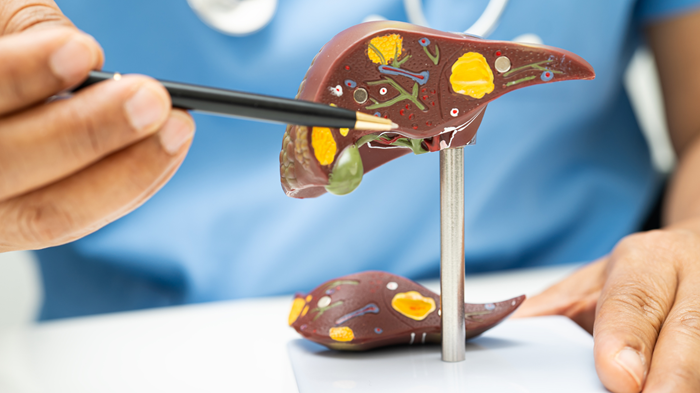
The treatment for medication-related liver damage would vary depending on the cause and the severity. The best hospital in Patna, BIG Apollo Spectra, takes a thorough approach when it comes to treating liver issues and further steps are only discussed after all initial investigations are complete. Our liver doctors would first look at your medication history and do blood tests to examine the function of your liver.
If a specific medication seems to be the cause, the doctor may stop the medication, modify the dose, or recommend another medication when necessary. Do not make changes by yourself.
In some mild forms of the disease, the liver may begin to repair itself once the offending drug has been discontinued under medical supervision. Supportive treatment of symptoms and follow up investigations are performed. In a severe form of the disease, hospitalisation might be necessary.
Trying to repair liver damage from medication without professional guidance can delay proper treatment.
How Long Does it Take to Heal?
The length of recovery depends on the individual. For less severe damage to the liver, the organ may begin to recover days or weeks after discontinuing the medication which caused the injury, though more severe damage might require months to recover.
It depends on the type of drug, the level of liver damage and your overall health. Your doctor may follow your recovery by doing blood tests. So, there is no one-size-fits-all for the drug induced liver injury recovery time.
NOTE: During this time, do not use any alcohol or other medicines and follow your doctor’s advice for a healthy liver.
>>> Book an appointment at BIG Apollo Spectra for expert liver care.
Conclusion
When medication raises concerns about your liver, expert evaluation can help identify the cause and guide the next steps.
Dr. Neerav Goyal at BIG Apollo Spectra Hospital, a liver transplant and gastrointestinal surgeon, has more than 25 years of experience. His areas of expertise include liver failure, liver cancer, HPB disorders, complex gastrointestinal surgery, and liver transplantation.
If you experience early warning signs of your liver damage, unexplained signals of liver damage, or signs of potential medication liver damage, seek medical attention. Do not attempt to repair damage from medication liver damage on your own.
Consult Dr. Neerav Goyal for appropriate evaluation and personalized guidance about your liver health.