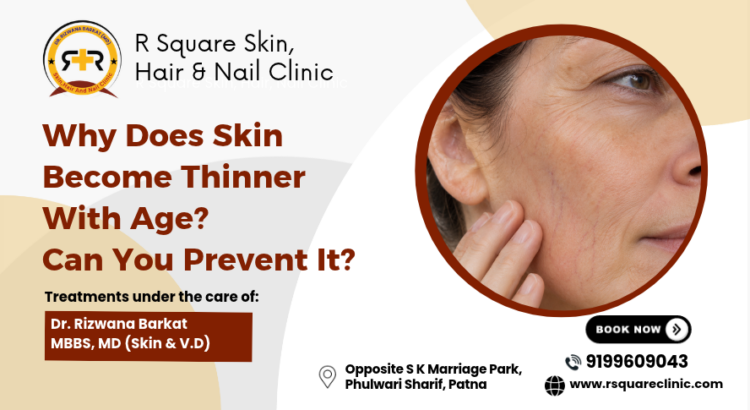
Skin changes gradually as we get older. Over the years, it loses collagen, elastin and some of the support beneath the surface.
This can make it look more fragile and less firm, and more prone to bruising and fine lines. Ageing cannot be stopped, but good daily habits and the right dermatological care can help keep your skin healthy.
But which factors are responsible for these alterations? Moreover, how are they detected? And finally, what measures should one take to appear rejuvenated at any age? Let’s explore.
Why Does Skin Become Thinner With Age?
There is not any sole factor accountable for the alterations. A combination of changes occurring over a while are responsible for skin thinning and other signs of skin aging.
- The drop in collagen levels: A key structural protein for skin thickness, shape, and firmness gets less abundant with age, thereby weakening the underlying mesh.
- Deficit of elastin: The loss of elastin hinders our skin’s ability to stretch and spring back quickly to its shape, which can result in loose, wrinkled skin
- Activity of skin cells slows down: Renewal of skin decreases with age; skin cells become inactive and a gradual re-organization starts on the layer under the skin surface.
- Dehydration: Reduction in sebum secretions and the breakdown of the skin’s protective layer can make elderly and older skin dehydrated and fragile.
These changes are subtle and vary with the person. Environmental influences (for example, UV light exposure), one’s genes, and way of life also affect changes of skin at the level of thinning.
Since prolonged UV exposure can accelerate collagen breakdown and contribute to skin thinning, following a routine for taking care of your skin during summer can help protect it from premature aging as well as sun damage.
What Are the Common Signs of Thinning Skin?
You may start to visually and even physically notice the thinning of your skin. While some find these changes at 50 years or so, for others at a much later age. Here are the signs to watch for:
- Increased transparency: It is common to notice that the skin turns into a clearer tissue and blood veins and vessels become quite visible when you see.
- More susceptible to bruises: Thin skin and less padding around blood vessels lead to bruises more often.
- Lines & wrinkles: If there’s a lack of collagen plus elastin, wrinkles might look more pronounced.
- Higher vulnerability: A minor hit can result in cuts or even a tear.
- Slower healing: Small injuries can take longer to heal.
Keep in mind that none of these signs automatically means age related thinning. Medications, sun damage and certain health conditions can cause similar changes, so a proper assessment matters.
>> Book a consultation with Dr. Rizwana Barkat for a professional skin assessment.
What Treatments Can Help Improve Thinning Skin?
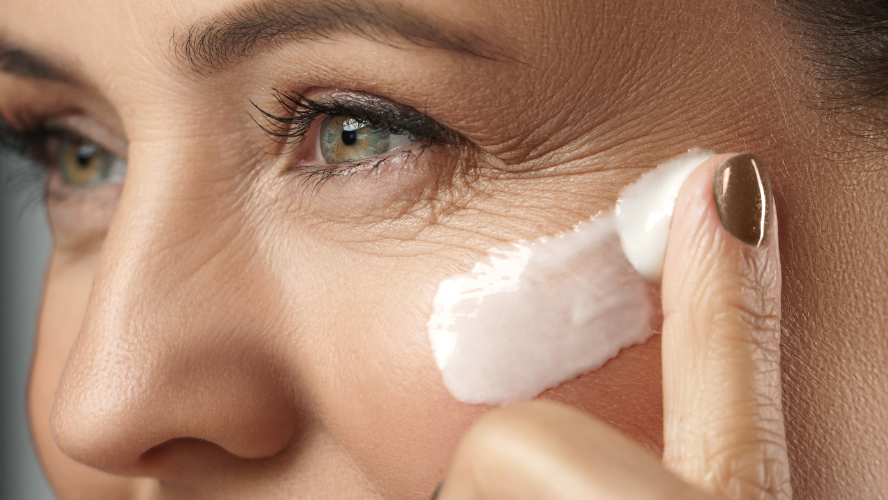
Despite the fact that no treatment can completely reverse natural aging, certain dermatological procedures and topical treatments may improve skin texture, firmness and selected signs of aging.
The treatment is best chosen based on your skin condition, age, medical history and concerns. At R Square Clinic each patient is assessed individually before recommending a treatment plan.
1. Topical Retinoids
Prescription retinoids such as tretinoin may help increase collagen and thus help reduce fine wrinkles and the appearance of aged skin caused by sunlight.
However, they may cause dry skin, and irritation could be particularly an issue for those with sensitive or delicate skin, so it is better to use such medicines under the guidance of a dermatologist.
2. Microneedling Treatment
Another treatment for skin improvement is microneedling which involves a series of tiny needles being used to poke the face and creating minor injuries. The body’s natural healing mechanisms get activated this way, and collagen production is also encouraged.
Some signs of aging like skin texture and skin loosening will probably improve from this procedure. Whether it works well for you will also be influenced by your skin condition and a professional assessment.
3. Radiofrequency Skin Treatment
Radiofrequency energy has the ability to travel through skin tissue and heat in targeted layers. The energy heats up the inner parts of the skin at a temperature that is just enough to bring on the process of remodelling of the collagen without causing a burn.
This technique has been used for cosmetic improvements of the skin such as tightness and slight sagging. Depending on the skin type and the individual needs, it usually requires multiple sessions of this procedure to achieve results.
4. Laser Skin Rejuvenation
Selected lasers can be used to deal with the effects of sunlight, fine lines and wrinkling, or even some of these can induce a remodelling of the collagen.
Laser skin treatment has become really popular in the last few years. If you are searching for laser skin treatment in Patna, it would be wise to get the advice of a dermatologist before going for the procedure, as it depends both on your skin type and on the skin issues you have.
5. Skin Boosters and Hydration-Based Treatments
Injectable skin boosters such as hyaluronic acid products can make a skin more hydrated, less wrinkly and better looking overall. Skin boosters focus mostly on skin texture and hydration but not on the direct reversal of age-induced skin atrophy.
Actually not every option here is capable of thickening the skin again, hence, it is important to make a suitable plan which suits you individually.
Dr. Rizwana Barkat at R Square Clinic follows an approach guided by dermatological expertise, beginning with a thorough examination combined with the finest treatments tailor made for your skin.
Can You Prevent Skin From Becoming Thinner With Age?
Natural thinning cannot be completely prevented, but healthy habits can protect your skin and reduce premature ageing. A few simple routines make a real difference:
- Use sunscreen regularly: Choose broad-spectrum SPF 30 or higher to limit UV-related collagen damage.
- Keep skin hydrated: Moisturisers with ceramides and hyaluronic acid support the skin barrier.
- Eat a balanced diet: Include enough protein, fruits, vegetables and other nutrient-rich foods.
- Avoid smoking: It is associated with accelerated skin ageing.
- Choose gentle products: Avoid harsh exfoliation and products that repeatedly irritate your skin.
Finally, do not ignore changes that seem unusual. If your skin becomes very fragile, bruises easily or changes quickly, it is worth seeing a skin doctor in Phulwari Sharif so the cause can be properly evaluated.
Conclusion
The aging of human skin is mainly characterized by reduction in the amount of collagen in the skin, decreased elasticity of the skin, and various environmental factors that can also play a role like exposure to sunlight, pollution and smoking.
Although, there is no way in which one could stop aging, but with measures, you can prevent your skin from being adversely exposed. Sunscreen, healthy lifestyle and dermatological advice can protect the health of your skin and even reduce a visible effect of a change in skin’s appearance.
Worried about thinning skin? Consult Dr. Rizwana Barkat at R Square Skin, Hair & Nail Clinic.
>> Book a consultation to explore advanced, personalised skin rejuvenation treatments.
